
Doing carbon accounting properly has become a second job.
It used to be enough to produce a number. Now you have to defend it. Reproduce it. Trace every figure to a source. And do all of that with the team you have, not the team you'd need.
How it started
Our origin story.
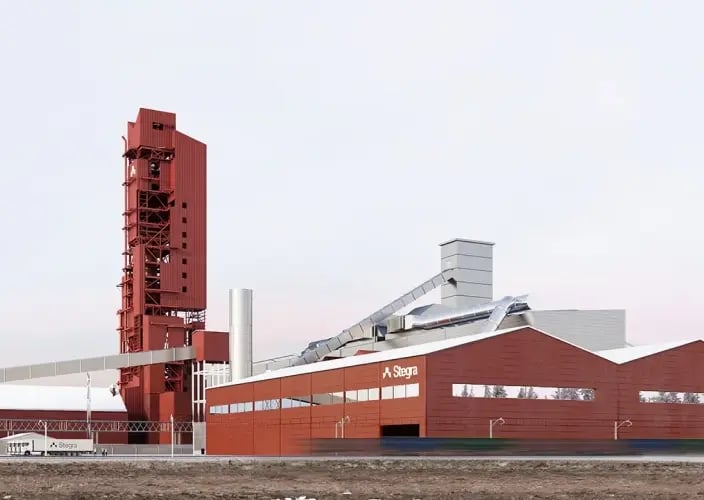
Bardo was born in Stockholm. Our first partnership was with Stegra, the team building the world's first fossil-free steel plant. To make green steel real, they needed to know their emissions exactly. Every supplier, every input, every transaction.
The tools to do that didn't exist.So we built them.
Multiple teams, one truth
What changes for the people who use it.

.svg)
Sustainability
A baseline that reflects what's actually happening in the business, and time spent reducing emissions instead of defending the numbers behind them.
.svg)
Finance
Every figure reconciles to source documents an auditor can sample. Same general ledger, same line items, same trail.
.svg)
Procurement
Supplier carbon performance next to cost for the first time, on the same line. Trade-offs become legible at the moment of decision.
The hidden hotspot
The emission source no framework would have flagged.
KEYTO runs a portfolio that includes a gardening subsidiary.
Their sustainability lead, Maria Forsgren, had built her carbon reporting around the categories KEYTO expected to matter the most. Then Bardo processed the invoices.
One major emission source turned out to be fertilizer, a line item in a subsidiary that would never have surfaced through manual reporting.
This is what real data does. It shows you the business you actually have, not the one your reporting framework assumed.
“Bardo helped us identify an emission hotspot we would not have found ourselves.”
